Additions & Extensions Expand Space, Increase Value
MDB Homebuilders
Additions & Extensions Expand Space, Increase Value MDB Homebuilders
Adding square footage to your home is a practical way to gain living space while staying in your neighborhood. Whether you need an extra bedroom, a family room, or a sunroom, MDB Homebuilders delivers additions and extensions that integrate seamlessly with your existing home and meet local code and structural standards. Our approach ensures that new spaces are functional, properly tied into existing systems, and finished to match or thoughtfully contrast the original architecture.
Why additions and extensions matter
Additions and extensions are strategic investments because:
They increase usable space without the disruption of moving to a new home.
Well-designed additions can be more cost-effective than purchasing a larger home in the current market.
Well-designed additions can be more cost-effective than purchasing a larger home in the current market.
Properly executed additions maintain structural integrity and protect against water intrusion, thermal bridging, and system mismatches.
Key benefits of choosing MDB Homebuilders for additions
Structural expertise
We assess foundations, loads, and framing requirements to ensure long-term stability and code compliance.
Seamless exterior integration
We match or complement existing roofing lines, siding, and trim to preserve curb appeal.
Mechanical coordination
Additions must be tied into HVAC, plumbing, and electrical systems correctly. We plan for proper load increases, ventilation, and comfort.
Permits and zoning knowledge
We manage local zoning rules, setbacks, and permit processes to avoid surprises during approvals.
Project phasing and logistics
Our team plans site access, material staging, and temporary protections to limit impact on your daily life.
Types of additions and extensions we build
Single-story rear additions
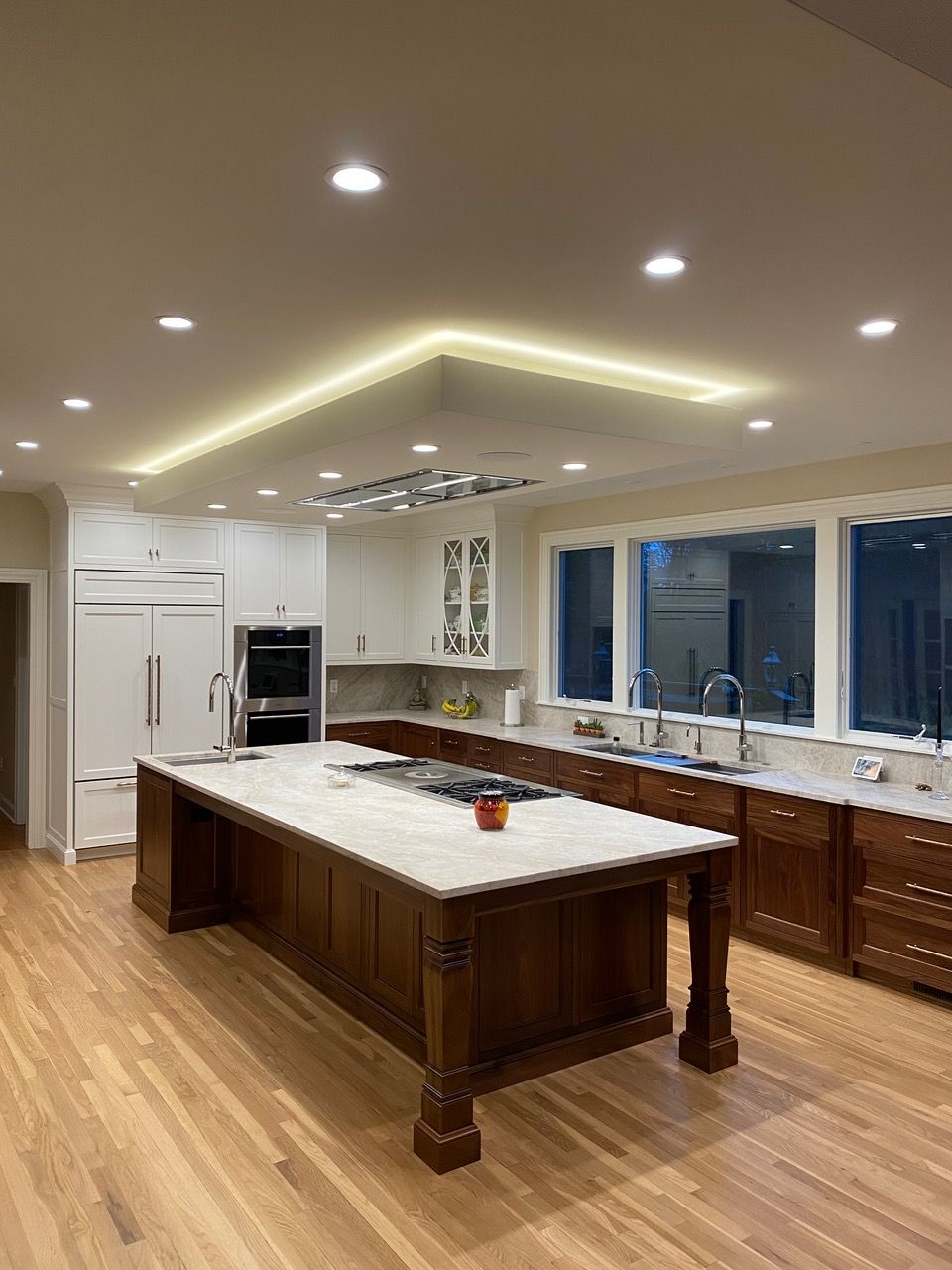
Enlarge kitchens, create family rooms, or add primary suites with direct access to backyard spaces.

Second-story additions
Add bedrooms or living areas above existing single-story portions for increased space without expanding the footprint.

Garage conversions and over-garage rooms
Convert garage areas into living space or add accessory dwelling units where zoning allows.

Sunrooms and enclosed porches
Create daylight-filled living spaces that feel connected to the outdoors.
Bump-outs and small expansions
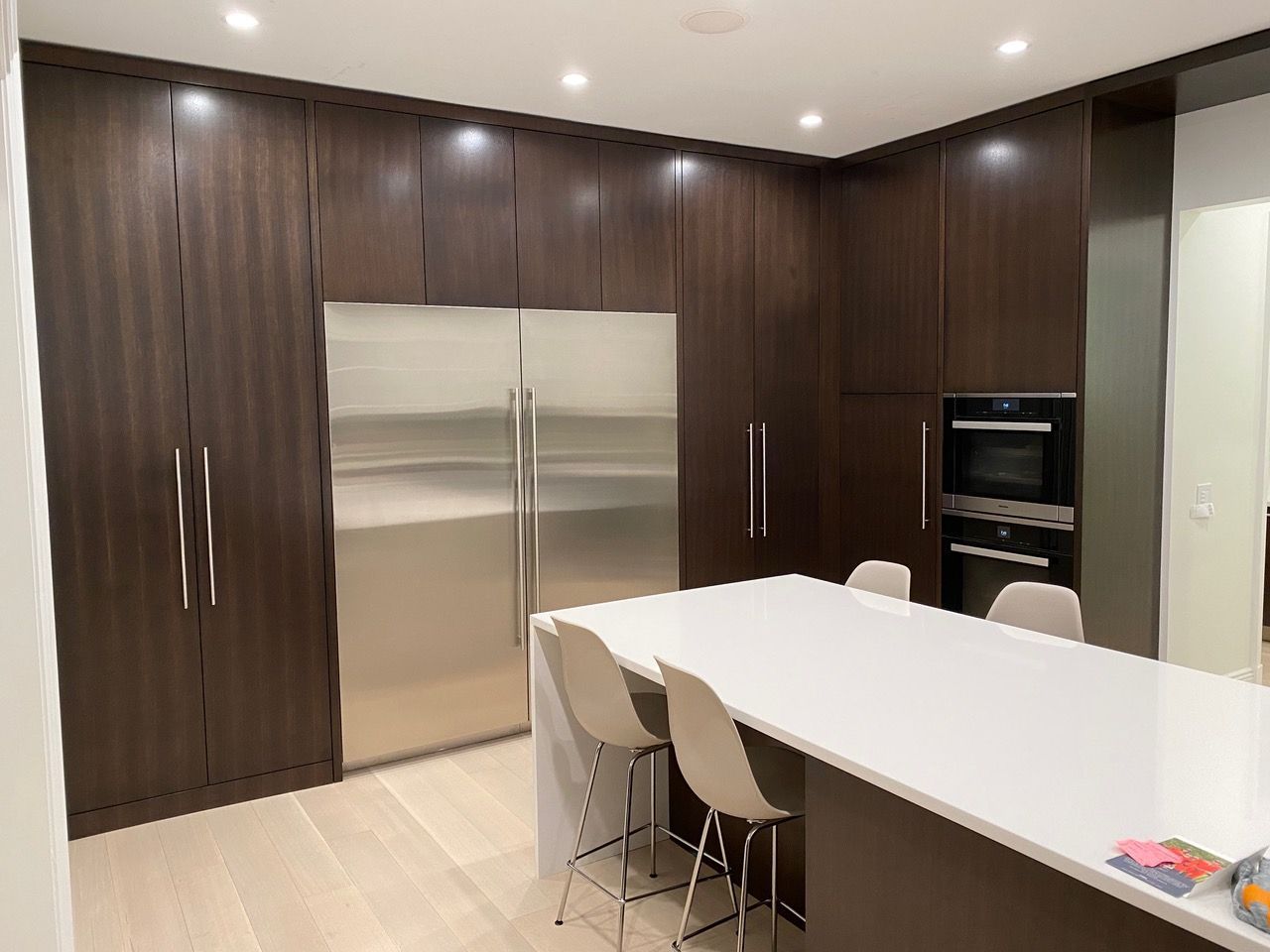
Add square footage for breakfast nooks, walk-in pantries, or expanded bathrooms with minimal site impact.

Attached or detached guest suites
Build extra living quarters for family or rental income (where zoning permits).
Our addition and extension process
01.
Site evaluation and feasibility
We begin with property analysis to identify setbacks, easements, underground utilities, grading, and drainage considerations. Structural assessments determine foundation types and if underpinning or new footings are required.
02.
Design and structural engineering
We develop plans that address load paths, roof tie-ins, and window and door placements. For significant structural work, we collaborate with engineers to produce stamped drawings suitable for permits.
03.
Budgeting and permitting
A transparent estimate includes foundation work, framing, roofing, exterior finishes, interior finishing, and mechanical system integrations. We submit required permit applications and coordinate with local inspectors.
04.
Foundation and framing
Foundations are designed to match soil conditions and load requirements. Framing aligns with the existing structure both structurally and aesthetically, using appropriate hurricane or seismic considerations where required.
05.
Exterior envelope and finishes
We ensure the addition’s envelope is weather-tight and thermally efficient — matching siding, roofing, and trim where feasible for a unified appearance.
06.
Interior systems and finishes
We integrate plumbing, HVAC, and electrical systems into the new space and finish interiors to homeowner specifications with careful attention to transitions and trim detail.
07.
Final inspections and occupancy
We complete final inspections, verify system performance, and conduct a client walkthrough to address any remaining items.
Structural and foundation considerations
Foundation matching
Matching existing foundation types may be impossible in some cases; we recommend appropriate solutions such as new footings on compacted fill or underpinning when needed.
Load-bearing considerations
Determining which walls carry loads is crucial before removing or modifying structural elements.
Drainage and grading
Proper grading prevents water from pooling near foundations — especially important when extending a home’s footprint.
Materials we commonly recommend
- HVAC: We evaluate whether to extend existing systems or add new, zoned HVAC equipment to maintain comfort and efficiency.
- Plumbing: Additions that include bathrooms or kitchens require plumbing rough-ins and careful routing to minimize disruption and ensure efficient drainage.
- Electrical: New circuits, panel upgrades, or relocated service may be required depending on added loads and local code requirements.


Zoning and compliance
- Setbacks and easements: We verify property-line requirements and existing easements to design compliant additions.
- Approval timelines: Zoning and planning approvals can influence project schedules. MDB Homebuilders manages documentation and coordination with local authorities.
Common questions homeowners ask
How long does an addition take?
Timing varies based on complexity. A single-story addition may take 3–6 months. Second-story additions and complex integrations can extend to 6–9 months. Permit and weather factors contribute to timeline variability.
Do additions require a new foundation?
Yes. Most additions require new foundations or footings. The design of the foundation depends on soil conditions, loads, and local code.
Will my addition look like part of the original house?
We prioritize seamless integration, matching rooflines, siding, and trim when possible. When an exact match isn't practical, we design complementary transitions that enhance the overall aesthetic.
What about utilities and HVAC?
We plan for load increases and may recommend HVAC upgrades, additional zones, or routing changes for plumbing and electrical to support new spaces.
Are additions a good investment?
When well-executed and targeted to high-demand uses (additional bedrooms, master suites, or expanded living areas), additions can significantly increase both living comfort and resale value.
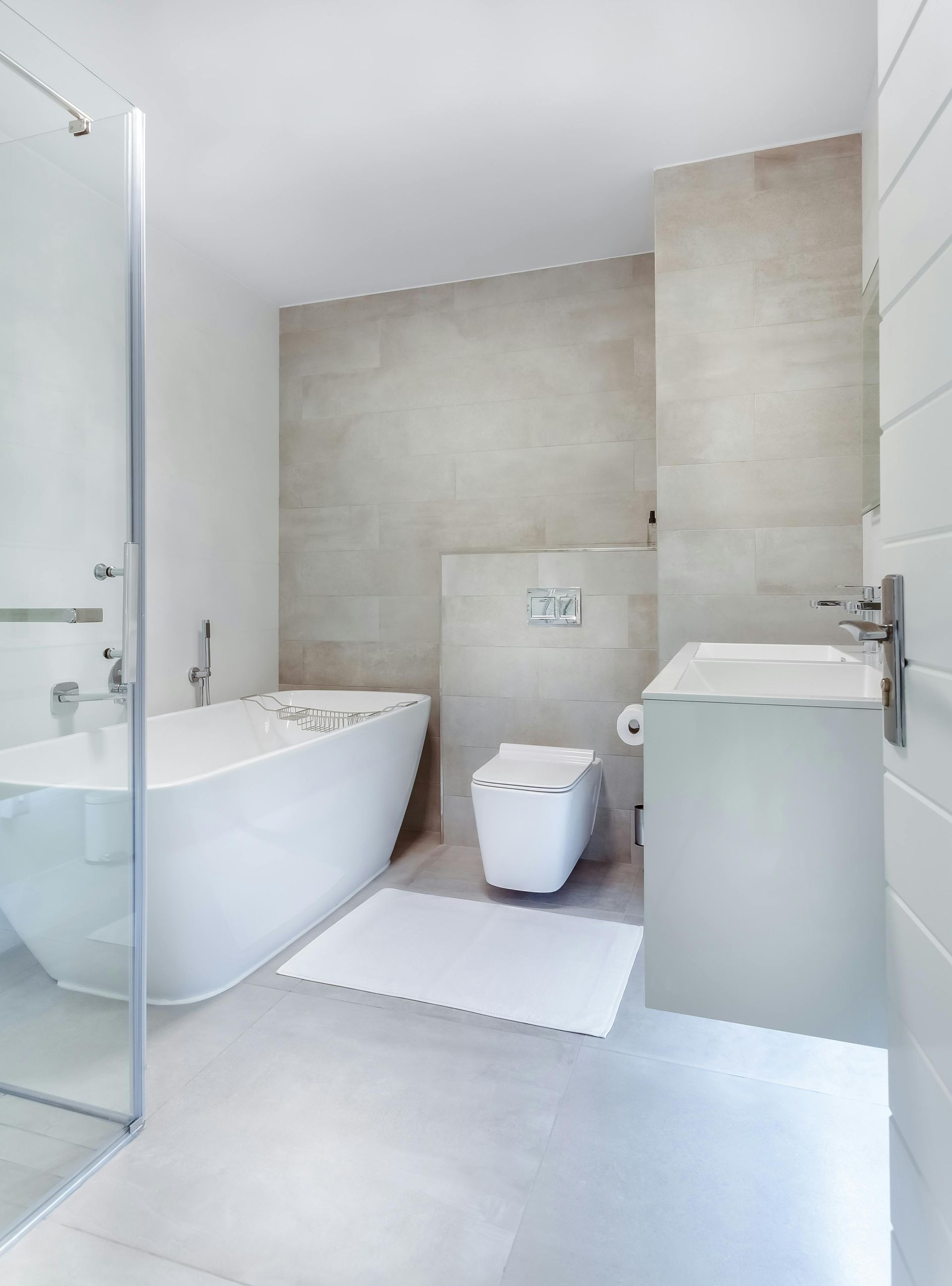
Project example
Project: Rear single-story addition — family room and guest suite
Overview: A mid-century home received a 450 sq ft rear addition to house a new family room and a ground-level guest suite. The work included new footings, tie-in to existing roofline, matched siding and windows, and interior finishes consistent with the original home. Timeline: 5 months. Outcome: Increased usable living area, improved flow to backyard, and enhanced property value.
Safety, insurance, and warranties
We maintain appropriate insurance coverage and ensure subcontractors are licensed where required. MDB Homebuilders provides warranty documentation for workmanship and coordinates manufacturer warranties on installed products.
Contact MDB Homebuilders for additions & extensions
Planning an addition in Buford? Call MDB Homebuilders at
(256) 244-3437 or visit our office at 4419 Chatham View Drive, Buford, GA 30518. We’ll schedule a consultation, assess feasibility, and provide a clear estimate and project timeline.